Monday, 31 March 2025

The Copyright Conundrum

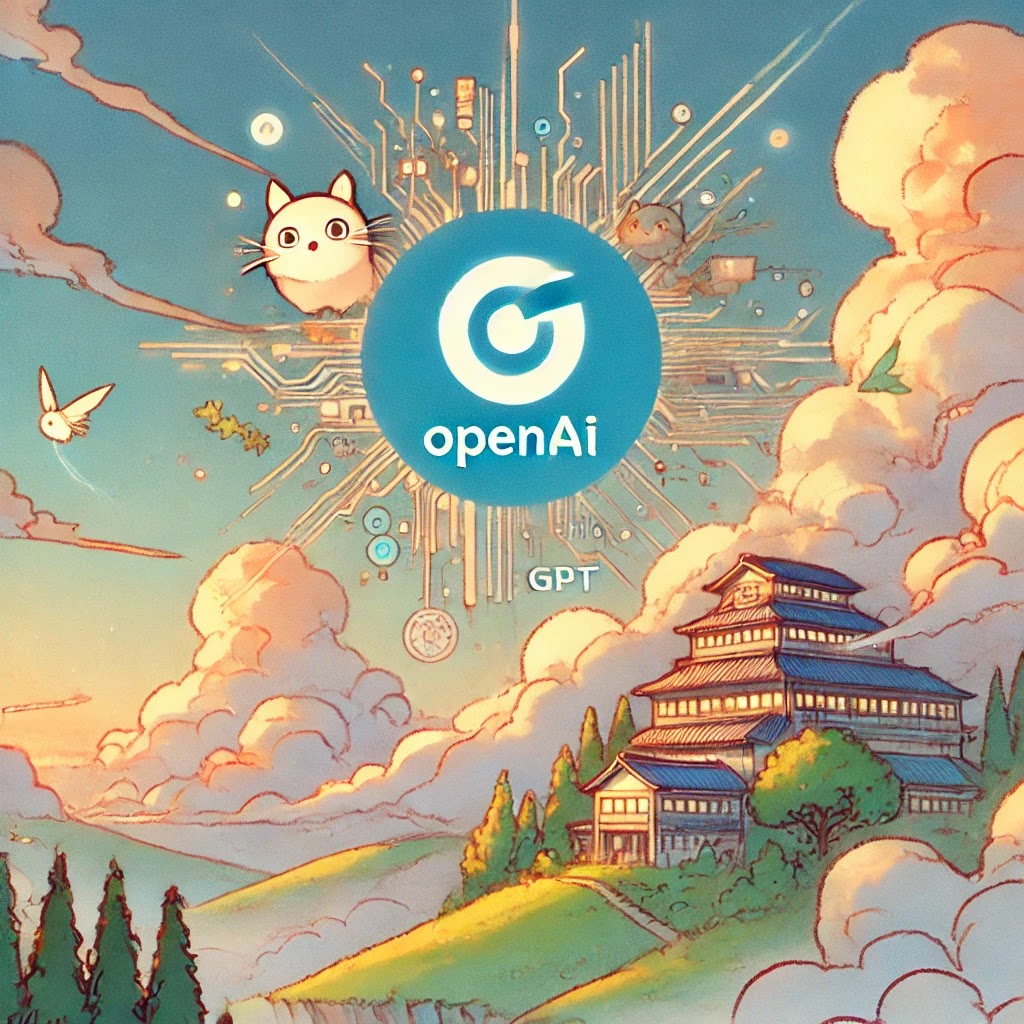
The internet went viral over users generating the Japanese art form inspired Ghibli style of images.

 OpenAI recently introduced a feature enabling premium users to create images in the distinctive style of Studio Ghibli, while offering limited free access to non-subscribers. The following trends were seen when founders were requesting users to stop creating this images as it was killing their GPUs and also it has raised significant questions on these AI-generated images about who owns these images, deepfake risks, identity theft and even potentially infringe on copyright protections.

Intellectual property lawyer Even Brown notes that while artistic styles themselves aren't explicitly copyright protected, the training methods behind these AI systems raise concerning questions.

If OpenAI's models were trained directly on Ghibli's copyrighted works rather than independent sources, this could constitute a legitimate copyright issue. 


In response to similar concerns, OpenAI has implemented a more conservative approach with its tools, including a refusal feature when users attempt to generate images mimicking the style of living artists. However, this partial solution hasn't fully addressed the underlying tensions.The debate extends beyond technical legalities.

Artists like Sarah Anderson, Kelly McKernan and Karla Ortiz, who has taken legal action against other AI generators for copyright infringement, argue that these practices fundamentally devalue artistic labor and threaten creative livelihoods.

Narrative = Advanced tech, Reality = Reuse someone's Life time work but claim it as moral and Ethical! 

Getty Images lawsuit was filed against OpenAI's partner Microsoft/DALL-E creators for allegedly using Getty's copyrighted images in training their AI image generator. 

For many artists, the Ghibli trend represents a clear example of how AI companies can appropriate distinctive artistic styles developed through decades of human creativity and craftsmanship, without proper attribution or compensation.

Surpassing human intelligence would not count for if we forget our morality and conscience! 

Data and Privacy Concerns:

Beyond copyright concerns, this situation has highlighted critical privacy issues that often remain under examined in discussions about generative AI:

1. Data Training Transparency: There's an alarming lack of transparency regarding how these AI models are trained. Users have little insight into what data these systems ingest or how that information is processed.

2. User Data Vulnerabilities: Many users worry that personal content they upload—family photos, images of their homes, or other private materials—might be incorporated into training datasets without their informed consent.

3. Potential Misuse: The accessibility of these tools opens possibilities for image manipulation that could have serious privacy implications, from creating misleading content to facilitating targeted advertising.

4. Security Concerns: In an era of frequent data breaches, the collection and storage of vast image databases creates additional attack vectors for cybercriminals.

There's a certain irony in OpenAI's current focus on privacy concerns with Ghibli-style images, given the company's own complicated history with data privacy.

Many concerns have been expressed by governance experts, to point out that tech giants often train their models without disclosing data sources or data training methods, creating a significant information asymmetry between companies and users. 

Key Takeaways:

As AI image generation becomes increasingly sophisticated and accessible, we need thoughtful approaches that balance technological innovation with ethical considerations:

1. Transparent Training Methods: AI companies should provide clear information about training methodologies and data sources.

2. Opt-in Systems: Users should have meaningful opportunities to consent to or opt out of having their data used for AI training.

3. Fair Acknowledgment/Compensation Models: Companies benefiting from authentic data sources / artistic styles should explore acknowledging, consent and compensation models that acknowledge the human creativity, ownership and contribution underlying these AI capabilities.

4. Regulatory Frameworks: As this technology outpaces existing legal frameworks, we need thoughtful regulation that addresses both copyright and privacy concerns.

Ghibli art represents just a basic example, but we should consider the implications when image generation technology is applied to high-risk domains such as medical imaging, pathology diagnosis, product design, manufacturing fault detection, or molecular structure visualization. These applications become significantly more concerning if we fail to implement fundamental security and privacy compliance measures. 

The debate surrounding AI-generated Ghibli-style images serves as a smaller bit of the broader challenges we face as AI becomes increasingly embedded in creative processes or realistic applications. How we navigate these tensions will shape not only the future of technology usage but also our fundamental understanding of data rights, creative ownership, and technological ethics. 

The path forward requires collaboration between technologists, creators, legal experts, and policymakers to develop frameworks that harness AI's possibilities while respecting fundamental data and privacy rights.

---

What are your thoughts on the balance between AI innovation and protecting individual rights? I'd love to hear your perspective in the comments.

Saturday, 29 March 2025

When AI Model Endpoints Fails: Probable Causes & Business Impact


"AI is the lifeline of modern automation, until it isn’t. What happens when the brain behind the bot goes on a coffee break?"

AI Model serving endpoints are becoming critical real time use cases like virtual assistants, advanced chatbots, visual data extraction, knowledge querying, agents, cybersecurity, AI governance, and automation. But what happens when it stops working? Understanding the reasons behind failures and their business impact is crucial, especially for organisations handling critical security and safety use cases.


Why Might they Stop Working?

Here are some common culprits:

  • Server Downtime – AI providers may be experiencing maintenance issues or outages.
  • API Rate Limits – Exceeding request limits can lead to blocked access.
  • Network Restrictions – Firewalls, VPNs, or local connectivity issues may be interfering.
  • Authentication Issues – Expired API keys or subscription lapses can cut access.
  • Enterprise Security Policies – Some organisations block external AI tools due to security concerns.
  • Input Formatting Errors – Poorly structured prompts or exceeding token limits may cause failures.
  • Model Restrictions – Models’s ethical guidelines may reject specific prompts.


What’s at Stake?

If AI models remain unavailable for extended periods, organisations could face:

  • Operational Slowdowns – AI-assisted workflows get disrupted.
  • Security Risks – Delays in critical operations based on use cases like real time chatbots, health assistants, autopilots and any AI-powered applications
  • Compliance Gaps – Lack of AI-driven insights may affect regulatory adherence.
  • Productivity Loss – Teams relying on AI for research and development suffer delays.
  • Increased Costs – Businesses may need to shift to alternatives.


Mitigating the Impact

Organisations relying on AI-driven cybersecurity and compliance should have a backup plan, such as:

✔️ Monitoring AI provider’s status page for real-time updates.

✔️ Using multiple AI providers to ensure redundancy.

✔️ Ensuring prompt optimisation to avoid formatting errors.

✔️ Aligning security policies with AI adoption needs.

"Hope is not a strategy. Neither is relying on a single AI model, have a backup, because AI downtime waits for no one."

AI disruptions can happen, but being prepared ensures minimal business impact. Have you faced such failures? How did you handle them? 

Saturday, 20 July 2024

With great kernel power, comes great operating responsibility!

The recent Microsoft-Crowdstrike incident causing Windows Blue Screen Of Death error, is the result of an update pushed to their Falcon sensor version 6.58. This version was pulled after widespread reports of BSOD incidents.

However, this incident raises several critical questions about the root cause, the testing and deployment processes, the capabilities and shortcomings of CrowdStrike's tools, and the oversight mechanisms in place.


The issue is linked to the sensor's interaction with the Windows operating system at the kernel level. CrowdStrike's sensors operate at this level to provide deep security insights and to prevent sophisticated attacks that might otherwise bypass user-level protections. By integrating at the kernel level, these sensors can monitor and respond to system calls and processes in real-time, offering robust security measures against advanced threats.

However, kernel-level modifications come with significant risks. Any error or incompatibility in the kernel-mode drivers can lead to critical system failures, like BSODs. In this case, the specific problem likely arose from an unintended conflict or bug within the sensor's driver code, which directly interacts with the Windows kernel.

Root Cause

The root cause of the Windows host crashes was identified as a defect in a single content update for the Falcon sensor. The problematic update, specifically the "C-00000291*.sys" file, caused the Windows OS to crash. CrowdStrike's engineering team suggested to revert the changes to a previous stable version of the channel file.

Lack of Thorough Testing

One of the primary issues highlighted by this incident is the apparent lack of thorough testing in a controlled test environment before deploying the update to production. Proper testing procedures are crucial to ensure that any updates or changes do not adversely affect the system's stability and functionality. The failure to identify such a critical issue in the testing phase suggests that the update was either inadequately tested or not tested in an environment that accurately mirrored the production setup.

Capabilities and Shortcomings of CrowdStrike Falcon Tools

Apparently, the next-gen advanced threat detection and prevention capabilities of Crowdstrike, with this incident underscores some significant shortcomings:

Strengths

  • Advanced Threat Detection: Falcon is equipped with robust machine learning and behavioral analytics to detect and prevent threats.
  • Cloud-Based Architecture: The cloud-based platform allows for real-time threat intelligence and updates.
  • Scalability: Falcon can scale to protect large enterprises with numerous endpoints.

Shortcomings

  • Update Management: The incident revealed weaknesses in the update management process, particularly in testing and validation.
  • Oversight and Quality Control: The lack of oversight in ensuring the quality and stability of updates before deployment is a critical flaw.
  • Customer Impact: The rapid deployment of untested updates directly impacted customer operations, leading to significant downtime and disruption.

Lack of Security Standards and Process Controls

The incident highlights a broader issue of insufficient security standards and process controls in place to prevent such configuration or administration errors. Effective security practices should include:

  • Comprehensive Testing: Updates should undergo rigorous testing in environments that replicate production setups.
  • Change Management: A robust change management process should be implemented to ensure that any updates are carefully reviewed and approved.
  • Incident Response: Clear incident response procedures should be in place to quickly address and mitigate any issues that arise from updates.
People talk highest levels of quality but have lowest levels of realistic implementation, This reflects gaps between process vs practical adoption. The level of seriousness is not reflected when it boils down to nth level worker.

Microsoft's Oversight Responsibilities

Microsoft, as the provider of the Windows operating system, shares a degree of responsibility in ensuring that third-party integrations, such as those from CrowdStrike, do not compromise system stability. The delegation of control to third-party vendors without adequate oversight can lead to such incidents.

Recommendations for Microsoft
  • Stricter Integration Policies: Implement stricter policies and guidelines for third-party integrations to ensure compatibility and stability.
  • Joint Testing Initiatives: Collaborate with third-party vendors to conduct joint testing and validation of updates.
  • Monitoring and Auditing: Regularly monitor and audit third-party integrations to identify and address potential issues proactively.

CrowdStrike's Accountability

CrowdStrike must take responsibility for the failure and implement measures to prevent recurrence. The company needs to address several critical areas:

Improving Update Testing
  • Enhanced Testing Protocols: Develop and enforce stringent testing protocols for updates.
  • Simulated Production Environments: Use simulated production environments to test updates thoroughly.
  • Beta Programs: Introduce beta testing programs where updates are tested by a small group of users before wider deployment.
Strengthening Quality Control
  • Quality Assurance Teams: Establish dedicated quality assurance teams to review and approve updates.
  • Automated Testing Tools: Utilize automated testing tools to identify potential issues quickly.
Customer Communication
  • Transparent Communication: Maintain transparent communication with customers about updates and potential issues.
  • Support Channels: Ensure robust support channels are available for customers to report and resolve issues promptly.
Great minds can have great ideas but if they do not bring it with customer lens and accountability it will be only hyped-up product security. 

Conclusion

This incident clearly calls out the critical gaps in following basic security guidelines of update testing and deployment processes, both within CrowdStrike and in Microsoft. While CrowdStrike offers powerful cybersecurity tools, the incident underscores the importance of rigorous testing, quality control, and effective communication with customers. 

Moving forward, both CrowdStrike and Microsoft must implement stronger safeguards to prevent such incidents and ensure the stability and security of their systems. 

Don't strike the wrong places to loose your market for competition!!!


What can go wrong with Agents?

🔐 What Can Go Wrong with Agents  1️⃣ Perception - Prompt injection, poisoned data, fake documents, malicious payloads 2️⃣ Reasoning - Hallu...