Monday, 31 March 2025

The Copyright Conundrum

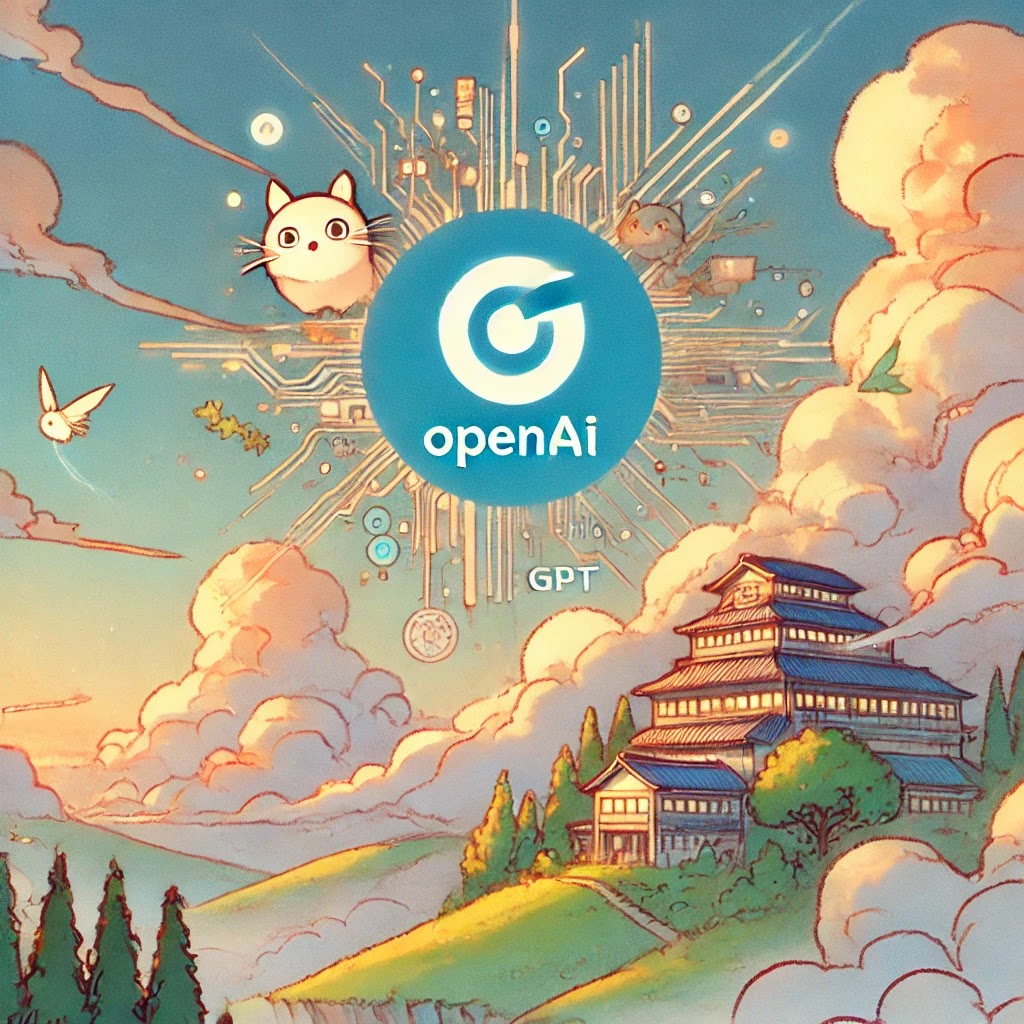
The internet went viral over users generating the Japanese art form inspired Ghibli style of images.

 OpenAI recently introduced a feature enabling premium users to create images in the distinctive style of Studio Ghibli, while offering limited free access to non-subscribers. The following trends were seen when founders were requesting users to stop creating this images as it was killing their GPUs and also it has raised significant questions on these AI-generated images about who owns these images, deepfake risks, identity theft and even potentially infringe on copyright protections.

Intellectual property lawyer Even Brown notes that while artistic styles themselves aren't explicitly copyright protected, the training methods behind these AI systems raise concerning questions.

If OpenAI's models were trained directly on Ghibli's copyrighted works rather than independent sources, this could constitute a legitimate copyright issue. 


In response to similar concerns, OpenAI has implemented a more conservative approach with its tools, including a refusal feature when users attempt to generate images mimicking the style of living artists. However, this partial solution hasn't fully addressed the underlying tensions.The debate extends beyond technical legalities.

Artists like Sarah Anderson, Kelly McKernan and Karla Ortiz, who has taken legal action against other AI generators for copyright infringement, argue that these practices fundamentally devalue artistic labor and threaten creative livelihoods.

Narrative = Advanced tech, Reality = Reuse someone's Life time work but claim it as moral and Ethical! 

Getty Images lawsuit was filed against OpenAI's partner Microsoft/DALL-E creators for allegedly using Getty's copyrighted images in training their AI image generator. 

For many artists, the Ghibli trend represents a clear example of how AI companies can appropriate distinctive artistic styles developed through decades of human creativity and craftsmanship, without proper attribution or compensation.

Surpassing human intelligence would not count for if we forget our morality and conscience! 

Data and Privacy Concerns:

Beyond copyright concerns, this situation has highlighted critical privacy issues that often remain under examined in discussions about generative AI:

1. Data Training Transparency: There's an alarming lack of transparency regarding how these AI models are trained. Users have little insight into what data these systems ingest or how that information is processed.

2. User Data Vulnerabilities: Many users worry that personal content they upload—family photos, images of their homes, or other private materials—might be incorporated into training datasets without their informed consent.

3. Potential Misuse: The accessibility of these tools opens possibilities for image manipulation that could have serious privacy implications, from creating misleading content to facilitating targeted advertising.

4. Security Concerns: In an era of frequent data breaches, the collection and storage of vast image databases creates additional attack vectors for cybercriminals.

There's a certain irony in OpenAI's current focus on privacy concerns with Ghibli-style images, given the company's own complicated history with data privacy.

Many concerns have been expressed by governance experts, to point out that tech giants often train their models without disclosing data sources or data training methods, creating a significant information asymmetry between companies and users. 

Key Takeaways:

As AI image generation becomes increasingly sophisticated and accessible, we need thoughtful approaches that balance technological innovation with ethical considerations:

1. Transparent Training Methods: AI companies should provide clear information about training methodologies and data sources.

2. Opt-in Systems: Users should have meaningful opportunities to consent to or opt out of having their data used for AI training.

3. Fair Acknowledgment/Compensation Models: Companies benefiting from authentic data sources / artistic styles should explore acknowledging, consent and compensation models that acknowledge the human creativity, ownership and contribution underlying these AI capabilities.

4. Regulatory Frameworks: As this technology outpaces existing legal frameworks, we need thoughtful regulation that addresses both copyright and privacy concerns.

Ghibli art represents just a basic example, but we should consider the implications when image generation technology is applied to high-risk domains such as medical imaging, pathology diagnosis, product design, manufacturing fault detection, or molecular structure visualization. These applications become significantly more concerning if we fail to implement fundamental security and privacy compliance measures. 

The debate surrounding AI-generated Ghibli-style images serves as a smaller bit of the broader challenges we face as AI becomes increasingly embedded in creative processes or realistic applications. How we navigate these tensions will shape not only the future of technology usage but also our fundamental understanding of data rights, creative ownership, and technological ethics. 

The path forward requires collaboration between technologists, creators, legal experts, and policymakers to develop frameworks that harness AI's possibilities while respecting fundamental data and privacy rights.

---

What are your thoughts on the balance between AI innovation and protecting individual rights? I'd love to hear your perspective in the comments.

Saturday, 29 March 2025

When AI Model Endpoints Fails: Probable Causes & Business Impact


"AI is the lifeline of modern automation, until it isn’t. What happens when the brain behind the bot goes on a coffee break?"

AI Model serving endpoints are becoming critical real time use cases like virtual assistants, advanced chatbots, visual data extraction, knowledge querying, agents, cybersecurity, AI governance, and automation. But what happens when it stops working? Understanding the reasons behind failures and their business impact is crucial, especially for organisations handling critical security and safety use cases.


Why Might they Stop Working?

Here are some common culprits:

  • Server Downtime – AI providers may be experiencing maintenance issues or outages.
  • API Rate Limits – Exceeding request limits can lead to blocked access.
  • Network Restrictions – Firewalls, VPNs, or local connectivity issues may be interfering.
  • Authentication Issues – Expired API keys or subscription lapses can cut access.
  • Enterprise Security Policies – Some organisations block external AI tools due to security concerns.
  • Input Formatting Errors – Poorly structured prompts or exceeding token limits may cause failures.
  • Model Restrictions – Models’s ethical guidelines may reject specific prompts.


What’s at Stake?

If AI models remain unavailable for extended periods, organisations could face:

  • Operational Slowdowns – AI-assisted workflows get disrupted.
  • Security Risks – Delays in critical operations based on use cases like real time chatbots, health assistants, autopilots and any AI-powered applications
  • Compliance Gaps – Lack of AI-driven insights may affect regulatory adherence.
  • Productivity Loss – Teams relying on AI for research and development suffer delays.
  • Increased Costs – Businesses may need to shift to alternatives.


Mitigating the Impact

Organisations relying on AI-driven cybersecurity and compliance should have a backup plan, such as:

✔️ Monitoring AI provider’s status page for real-time updates.

✔️ Using multiple AI providers to ensure redundancy.

✔️ Ensuring prompt optimisation to avoid formatting errors.

✔️ Aligning security policies with AI adoption needs.

"Hope is not a strategy. Neither is relying on a single AI model, have a backup, because AI downtime waits for no one."

AI disruptions can happen, but being prepared ensures minimal business impact. Have you faced such failures? How did you handle them? 

Saturday, 20 July 2024

With great kernel power, comes great operating responsibility!

The recent Microsoft-Crowdstrike incident causing Windows Blue Screen Of Death error, is the result of an update pushed to their Falcon sensor version 6.58. This version was pulled after widespread reports of BSOD incidents.

However, this incident raises several critical questions about the root cause, the testing and deployment processes, the capabilities and shortcomings of CrowdStrike's tools, and the oversight mechanisms in place.


The issue is linked to the sensor's interaction with the Windows operating system at the kernel level. CrowdStrike's sensors operate at this level to provide deep security insights and to prevent sophisticated attacks that might otherwise bypass user-level protections. By integrating at the kernel level, these sensors can monitor and respond to system calls and processes in real-time, offering robust security measures against advanced threats.

However, kernel-level modifications come with significant risks. Any error or incompatibility in the kernel-mode drivers can lead to critical system failures, like BSODs. In this case, the specific problem likely arose from an unintended conflict or bug within the sensor's driver code, which directly interacts with the Windows kernel.

Root Cause

The root cause of the Windows host crashes was identified as a defect in a single content update for the Falcon sensor. The problematic update, specifically the "C-00000291*.sys" file, caused the Windows OS to crash. CrowdStrike's engineering team suggested to revert the changes to a previous stable version of the channel file.

Lack of Thorough Testing

One of the primary issues highlighted by this incident is the apparent lack of thorough testing in a controlled test environment before deploying the update to production. Proper testing procedures are crucial to ensure that any updates or changes do not adversely affect the system's stability and functionality. The failure to identify such a critical issue in the testing phase suggests that the update was either inadequately tested or not tested in an environment that accurately mirrored the production setup.

Capabilities and Shortcomings of CrowdStrike Falcon Tools

Apparently, the next-gen advanced threat detection and prevention capabilities of Crowdstrike, with this incident underscores some significant shortcomings:

Strengths

  • Advanced Threat Detection: Falcon is equipped with robust machine learning and behavioral analytics to detect and prevent threats.
  • Cloud-Based Architecture: The cloud-based platform allows for real-time threat intelligence and updates.
  • Scalability: Falcon can scale to protect large enterprises with numerous endpoints.

Shortcomings

  • Update Management: The incident revealed weaknesses in the update management process, particularly in testing and validation.
  • Oversight and Quality Control: The lack of oversight in ensuring the quality and stability of updates before deployment is a critical flaw.
  • Customer Impact: The rapid deployment of untested updates directly impacted customer operations, leading to significant downtime and disruption.

Lack of Security Standards and Process Controls

The incident highlights a broader issue of insufficient security standards and process controls in place to prevent such configuration or administration errors. Effective security practices should include:

  • Comprehensive Testing: Updates should undergo rigorous testing in environments that replicate production setups.
  • Change Management: A robust change management process should be implemented to ensure that any updates are carefully reviewed and approved.
  • Incident Response: Clear incident response procedures should be in place to quickly address and mitigate any issues that arise from updates.
People talk highest levels of quality but have lowest levels of realistic implementation, This reflects gaps between process vs practical adoption. The level of seriousness is not reflected when it boils down to nth level worker.

Microsoft's Oversight Responsibilities

Microsoft, as the provider of the Windows operating system, shares a degree of responsibility in ensuring that third-party integrations, such as those from CrowdStrike, do not compromise system stability. The delegation of control to third-party vendors without adequate oversight can lead to such incidents.

Recommendations for Microsoft
  • Stricter Integration Policies: Implement stricter policies and guidelines for third-party integrations to ensure compatibility and stability.
  • Joint Testing Initiatives: Collaborate with third-party vendors to conduct joint testing and validation of updates.
  • Monitoring and Auditing: Regularly monitor and audit third-party integrations to identify and address potential issues proactively.

CrowdStrike's Accountability

CrowdStrike must take responsibility for the failure and implement measures to prevent recurrence. The company needs to address several critical areas:

Improving Update Testing
  • Enhanced Testing Protocols: Develop and enforce stringent testing protocols for updates.
  • Simulated Production Environments: Use simulated production environments to test updates thoroughly.
  • Beta Programs: Introduce beta testing programs where updates are tested by a small group of users before wider deployment.
Strengthening Quality Control
  • Quality Assurance Teams: Establish dedicated quality assurance teams to review and approve updates.
  • Automated Testing Tools: Utilize automated testing tools to identify potential issues quickly.
Customer Communication
  • Transparent Communication: Maintain transparent communication with customers about updates and potential issues.
  • Support Channels: Ensure robust support channels are available for customers to report and resolve issues promptly.
Great minds can have great ideas but if they do not bring it with customer lens and accountability it will be only hyped-up product security. 

Conclusion

This incident clearly calls out the critical gaps in following basic security guidelines of update testing and deployment processes, both within CrowdStrike and in Microsoft. While CrowdStrike offers powerful cybersecurity tools, the incident underscores the importance of rigorous testing, quality control, and effective communication with customers. 

Moving forward, both CrowdStrike and Microsoft must implement stronger safeguards to prevent such incidents and ensure the stability and security of their systems. 

Don't strike the wrong places to loose your market for competition!!!


Sunday, 14 July 2024

Enterprise Responsible AI Adoption – A Holistic AI Perspective

Enterprise Trade-off: Enterprises can use multiple open-source models to achieve around 90% accuracy, compared to using the latest OpenAI model and achieving 95% accuracy with a single model. Open-source models also require additional training and Reinforcement Learning from Human Feedback (RLHF). The trade-off between achieving 60% accuracy with open-source versus 90% with proprietary models needs careful evaluation.

  • Model and Data Alignment: Failing to invest time in understanding the models, aligning them with the right data, and establishing proper benchmarks will lead to a random, fragile implementation. A "lift-and-shift" approach to building AI products is not a sustainable strategy.
  • Data and Model Understanding: If you don’t fully understand the data sources and the limitations of the models you're using, don’t assume that handling only the happy path scenarios is enough to deliver successful GenAI applications.
  • Responsible AI Adoption: Relying on open-source models that deliver subpar accuracy does not constitute responsible AI adoption. It reflects a short-term vision and a failure to prioritize long-term sustainability.
  • Open Source Paradox: There's a growing push to leverage open-source models and frameworks, but expectations for state-of-the-art accuracy remain unrealistically high.
  • Long-term Costs: The broader impact and cost of fixing data issues or model errors are often overlooked in favor of flashy, short-term demo solutions that generate applause but don't provide lasting value.

Key Questions to Ask About the Model:
  1. Data: Is the data representative, reliable, and aligned with the intended use case?
  2. Domain: Does the model have domain-specific knowledge to perform effectively?
  3. Benchmark: Have clear benchmarks and performance metrics been set and evaluated?
  4. Key Questions to Ask About the Use Case:
  5. Why do we need an LLM?: Is an LLM the best solution for this problem, or are there alternatives?
  6. How much effort does it save?: What quantifiable efficiencies or cost savings does the LLM offer compared to traditional methods?
  7. What is the plan to improve accuracy?: How will you progress from the current accuracy level, and what steps will be taken to continuously improve the model's performance?
  8. Leadership Clarity: Leaders must understand that simply purchasing a platform or tool will not solve the underlying challenges of responsible AI adoption. A clear vision and strategy are critical for long-term success.

Sunday, 9 June 2024

Uncovering the Snowflake Data Breach: Causes, Impacts, and Lessons Learned

Snowflake Data Breach Incident Overview: 

In May 2024, Snowflake disclosed a cyber incident affecting several of its clients, including Ticketmaster and Santander, which resulted in the exposure of sensitive data. The breach stemmed from credential stuffing attacks, targeting accounts with single-factor authentication​.

After Snowflake announced its initial data breach, several subsequent reports and analyses emerged, detailing ongoing impacts and further developments related to the incident. Here is a comprehensive report on the massive data breach incident:

Timeline Study:

  • October 2023: Initial compromise occurred through an employee's ServiceNow account using credentials obtained via the Lumma Stealer malware.
  • May 20, 2024: Live Nation (Ticketmaster's parent company) identified unauthorized activity. Live Nation, confirmed a data breach after its Snowflake account was found compromised​.
  • May 23, 2024: Advance Auto Parts was reported to have had 3TB of data stolen from its Snowflake cloud storage environment, including customer profiles, orders, and sensitive employee information​.
  • May 23, 2024: Threat actor "Whitewarlock" posted Santander data for sale.
  • May 27, 2024: Threat actor "ShinyHunters" offered Ticketmaster data for sale.
  • June 1, 2024: Hudson Rock, the cybersecurity firm that initially reported the breach, took down their report following legal pressure from Snowflake. Despite this, ongoing analyses suggested the compromise involved stolen credentials used to bypass security measures​.
  • June 2, 2024: Snowflake released an official statement confirming the incident and mitigation steps​
  • May 14, 2024: Santander Bank disclosed unauthorized access to one of its databases hosted by a third-party provider, affecting customers and employees in Chile, Spain, and Uruguay​.
  • June 3, 2024: Further details emerged about the breadth of the breach, indicating that the attackers targeted multiple high-profile companies and sought a $20 million ransom from Snowflake​.
  • June 5, 2024: Reports confirmed the sale of stolen data from Advance Auto Parts on hacking forums, corroborating earlier claims of significant data exfiltration from Snowflake’s customer environments​.
These reports indicate that the breach involved a mix of stolen credentials and weak security practices on the part of some Snowflake customers. Snowflake has maintained that the breach was not due to a vulnerability in its platform but rather resulted from compromised customer credentials​.


Probable Cause Analysis:
  • The breach occurred due to credential stuffing attacks exploiting accounts with single-factor authentication.
  • Stolen credentials were used to access demo accounts not protected by Okta or MFA (Multi-Factor Authentication)​.
Accountability:
  • Snowflake confirmed no vulnerabilities or misconfigurations in their platform but acknowledged that compromised credentials of a former employee were used.
  • Criticism arose due to the lack of MFA on demo accounts and failure to disable access for a former employee​.
Impact:
  • Personal information of over 560 million Ticketmaster users and data from Santander, including bank account details and credit card numbers, were compromised.
  • Potential impacts included identity theft, financial fraud, and other malicious activities​.
Remediations:
  • Snowflake advised immediate implementation of MFA across all accounts.
  • Organizations were recommended to reset and rotate Snowflake credentials, and enforce network policy rules to restrict access to trusted locations only.
  • Snowflake provided Indicators of Compromise (IoCs) and collaborated with CrowdStrike and Mandiant for a thorough investigation​.

SEC Filings (Form 8-K and 10-K) Summary:

Form 8-K:
  • Snowflake's 8-K filing detailed the breach, emphasizing the credential stuffing attack and steps taken to mitigate further risks.
  • The filing included information about ongoing investigations and cooperation with security firms to secure client environments.
Form 10-K:
  • The 10-K filing provided a broader overview of Snowflake's operations, financial performance, and risk factors.
  • It outlined the potential financial and reputational impacts of the breach, the importance of security measures, and strategies to prevent future incidents.By summarizing these documents and events, we see a comprehensive view of the Snowflake data breach, its causes, and the subsequent actions taken to mitigate its effects.Snowflake advised immediate implementation of MFA across all accounts.
  • Organizations were recommended to reset and rotate Snowflake credentials, and enforce network policy rules to restrict access to trusted locations only.
  • Snowflake provided Indicators of Compromise (IoCs) and collaborated with CrowdStrike and Mandiant for a thorough investigation​.

By summarizing these documents and events, we see a comprehensive view of the Snowflake data breach, its causes, and the subsequent actions taken to mitigate its effects.


Wednesday, 24 April 2024

Navigating the Cybersecurity Landscape: Harness Real-Time Exploit Detection and AI-Powered Solutions


🔍 The automated scanning tools that are available provide an easy list of vulnerabilities thereby gives an extensive list of exploits can be exploited. Keeping these exploit databases updated in real time can help organisations focus on the immediate mitigation areas to protect against any imminent threats that may occur due to the Known exploited Vulnerabilities.

These exploits will have clear attack path defined making the relevant application/system susceptible to successfully attack and compromise.

Exploitation involves attempting to use the identified vulnerabilities to gain unauthorised access to the target system. This can involve using various techniques, such as #Scanning #Enumerating #Fingerprinting #BruteforceAttacks #BufferOverflowAttacks #PrivilegeEscalation #SQLinjectionAttacks.

Exploit Frameworks like #Metasploit #CobaltStrike #Rootkit etc are most popularly used tools. The effort of finding best possible exploits comes from collated efforts of #SystemAdministrators #Researchers #Developers #PenTesters #EthicalHackers and sometimes #MaliciousHackers and these exploits are catalogued in databases like #Metasploit, #ExploitDatabase, #NISTNVD, #Rapid7


⚙️ To meet the evolving threat landscape of today's niche technologies, these listed advancements are much needed to be incorporated into security ecosystem.

- Update the vulnerabilities database in real time

- Update real time exploits

- Powering the exploit frameworks by AI capabilities

- Incorporating Prediction Model to analyse whether the vulnerability threat will be exploited or not

- Monitoring threat patterns and attack patterns with AI powered Solutions


Useful Links:

- CVE: https://cve.mitre.org/

- CVE Details: https://www.cvedetails.com/

- Metasploit: https://www.metasploit.com/

- Exploit Database: https://www.exploit-db.com/

- NIST NVD: https://nvd.nist.gov/vuln/

- Rapid7: https://www.rapid7.com/db/


🚀 My expertise in AI-driven threat intelligence has led to innovations like the Threat Modelling Tool, streamlining the efforts of cybersecurity specialists in mere minutes. Let's collaborate to fortify your security posture and stay ahead of emerging threats!

#Cybersecurity #AI #ThreatIntelligence #VulnerabilityManagement #ExploitDetection #PenTesting #Cybersecurity #Collaboration #Innovation #DefendAgainstThreats


Tuesday, 26 March 2024

Why is it significant to comply with the KEV (Known Exploited Vulnerabilities) Catalog?

In the realm of cybersecurity, staying ahead of threats is paramount. 

To aid this effort, the Cybersecurity and Infrastructure Security Agency (CISA) curates the Known Exploited Vulnerability (KEV) catalog, a pivotal resource for cybersecurity community & network defenders. This catalog compiles vulnerabilities that have been actively exploited, offering insights into immediate threats. It is imperative for organizations to prioritize remediation of these vulnerabilities to thwart potential compromises by threat actors.


All Federal Civilian Executive Branch (FCEB) agencies are mandated to address KEV catalog vulnerabilities under Binding Operational Directive (BOD) 22-01, all organizations, regardless of sector, can fortify their security posture by heeding these recommendations. Incorporating KEV catalog vulnerabilities into their vulnerability management plans fosters collective resilience across the cybersecurity posture of the organizations.

How to use the KEV Catalog:

Organizations should integrate the KEV catalog into their vulnerability management prioritization frameworks. This involves leveraging automated vulnerability and patch management tools that highlight or prioritize KEV vulnerabilities. 
The criteria for each of the three thresholds in updating the KEV Catalog are summarised as below:
  1. Assigned CVE ID: The process begins with the assignment of a Common Vulnerabilities and Exposures (CVE) ID. This unique identifier is issued by a CVE Numbering Authority (CNA) upon discovery of a cybersecurity vulnerability. MITRE Corporation oversees this process, with information published on the CVE and National Vulnerability Database (NVD) websites.
  2. Active Exploitation: A vulnerability's inclusion in the KEV catalog hinges on evidence of active exploitation in the wild. This entails unauthorized execution of malicious code by threat actors. Notably, attempted and successful exploitations are considered, while activities such as scanning or security research do not qualify.
  3. Clear Remediation Guidance: CISA adds vulnerabilities to the KEV catalog only when clear remediation actions are available. This typically involves applying updates per vendor instructions or, if necessary, removing affected products from networks. Mitigations may serve as temporary measures to prevent exploitation.
The KEV catalog serves as a beacon for organizations navigating the complex landscape of cybersecurity threats. By prioritizing remediation efforts based on actively exploited vulnerabilities, entities can bolster their defenses and contribute to a more resilient cybersecurity ecosystem. Collaborative efforts, informed decision-making and swift action are key in safeguarding against evolving threats in the digital age.

Friday, 22 March 2024

The 6th National Conference of "Innovative Global Technology Trends" by MIT-ADT Pune University - Cyber Security for AI

The 6th National Conference of "Innovative Global Technology Trends" by MIT-ADT Pune University.

At the conference, my guest lecture agenda encompassed the key topics of Cyber Security that were custom tailored for the needs of AI based technologies such as GenAI, LLM. Highlighted the approaches to Solution/Infrastructure Security, Data Security, AI Privacy, AI Risk & Threat Management. Also, an insightful discussion on AI frameworks, Compliance and live demonstration of AI-based threat analysis tool. 


Key Distinctions between AI solutions and traditional infrastructure are explored, alongside the need to redefine cybersecurity protocols for AI technologies. Addressing AI data security and Privacy, the lecture also delved into the concepts of Risk & Threat management, challenges of redefining the models and frameworks and need of the hour for defining policies, laws and regulations for the AI-driven world. Furthermore, the new architecture review techniques, baselining the controls, identifying new security domains as applicable in managing AI technology is scrutinised, prompting a reevaluation of current Cyber Security approach.

#Cybersecurity #AIPrivacy #AI #EUAIAct #GDPR #NIST #ThreatAnalysis #GenAI #LLM #Compliance #Policies #Frameworks

For further information on the topic of "Cyber Security for AI" and related discussions, feel free to reach out to me. Happy to collaborate for any training or consulting requirements.


Invisible AI Threats - An Example from OWASP ASI

As tricky and cumbersome the process of threat modelling is, the advancement of AI has helped in speeding up some analysis. However it has a...